Nature-based climate solutions have immense potential to help communities address climate challenges. But their success hinges on meaningful stakeholder engagement. Whether you’re working on urban green infrastructure, community forests, or wetland restoration, engaging the right people in the right way can make or break your project.
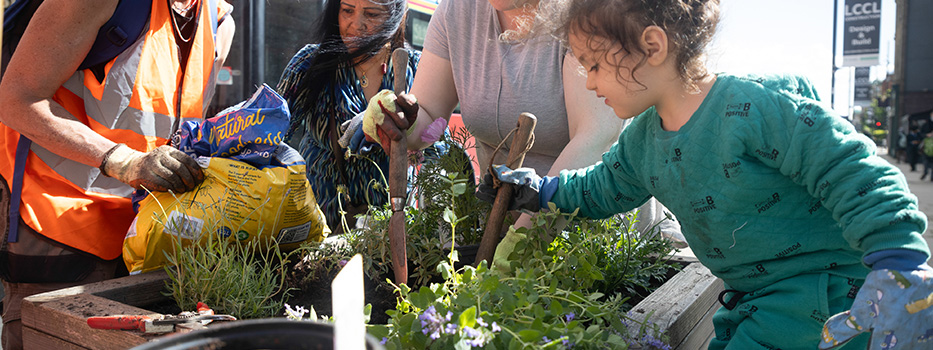
Here are five effective ways to involve local stakeholders – including those who are often marginalised or under-represented in climate action.
Build trust
Trust is the foundation of any successful stakeholder engagement process, particularly when working with communities that may have experienced broken promises or consultation fatigue. Dr Alhassan Ibrahim of the James Hutton Institute advises project leaders take time to establish genuine relationships and be transparent about project requirements, challenges, and processes. This will demonstrate integrity and builds credibility over time. Remember that building trust cannot be rushed but requires consistent, honest communication and a visible commitment to community interests alongside environmental goals.
Adopt and respect local knowledge
Local communities have invaluable knowledge about their environment, from the impacts of flooding events and local wildlife to how land has changed over time. This knowledge complements scientific data and can reveal insights that outside experts might overlook. Seek out and value this local expertise by creating space for different forms of knowledge sharing. These might include storytelling, site visits, or community mapping exercises. Recognise that respecting local knowledge means more than just collecting it, it means integrating it meaningfully into project design and acknowledging contributors appropriately. When people see their knowledge shaping outcomes, it reinforces their role as essential partners, rather than passive recipients of a project ‘happening to them’.
Engage early, and go beyond consultation – to co-design
Involving stakeholders in the design phase, not just consultation, ensures that nature-based solutions reflect local needs, values, and priorities from the outset. Co-design means giving communities real power to shape project outcomes. For example, where you will create sustainable urban drainage systems and permeable pavements.
Early involvement helps identify potential conflicts, uncovers local opportunities you might have missed, and builds ownership that translates into long-term stewardship. This collaborative approach also cuts the risk of designing solutions that look good on paper but fail in practice, because they don’t align with how people use and value their local environment.
Using the ‘ladder of participation’, create a range of ways for communities to get involved
Offering multiple ways for people to participate is a must for effective engagement. Use the ladder of participation as a framework to provide options, ranging from information sharing to deeper collaboration and community-led action. This will allow stakeholders to engage at levels that match their capacity and interest. Consider diverse formats such as online surveys, drop-in sessions, hands-on volunteering days, focus groups with specific communities, and digital platforms that let people get involved at a time that suits them. Pay particular attention to addressing barriers that might exclude certain groups. These could relate to timing, location, language, accessibility, or digital access.
Keep engaging once the project ends
Engagement shouldn’t end when construction finishes or funding runs out. The most successful nature-based solutions are those that become woven into the fabric of community life. Plan from the beginning for how relationships and engagement mechanisms will continue beyond the formal project timeline. This might be through community stewardship groups, monitoring programs, or maintenance partnerships. Regular communication about outcomes, celebrating successes together, and maintaining open channels for feedback helps sustain momentum and demonstrates ongoing commitment.
Conclusion: good engagement nurtures effective solutions, loved by local communities
Improving stakeholder engagement for nature-based solutions isn’t about ticking boxes only, it’s about building genuine partnerships that recognise communities as essential experts and co-creators of environmental change. By focusing on trust, early co-design, respect for local knowledge, flexible participation, and sustained relationships, you’ll create the conditions for nature-based solutions that are not only ecologically effective but also socially resilient and locally cherished. Start with these five tips, adapt them to your specific context, and watch as your stakeholder engagement transforms from a project requirement into a source of innovation, ownership, and lasting impact.