Nature and adaptation
Natural solutions to floods and heatwaves
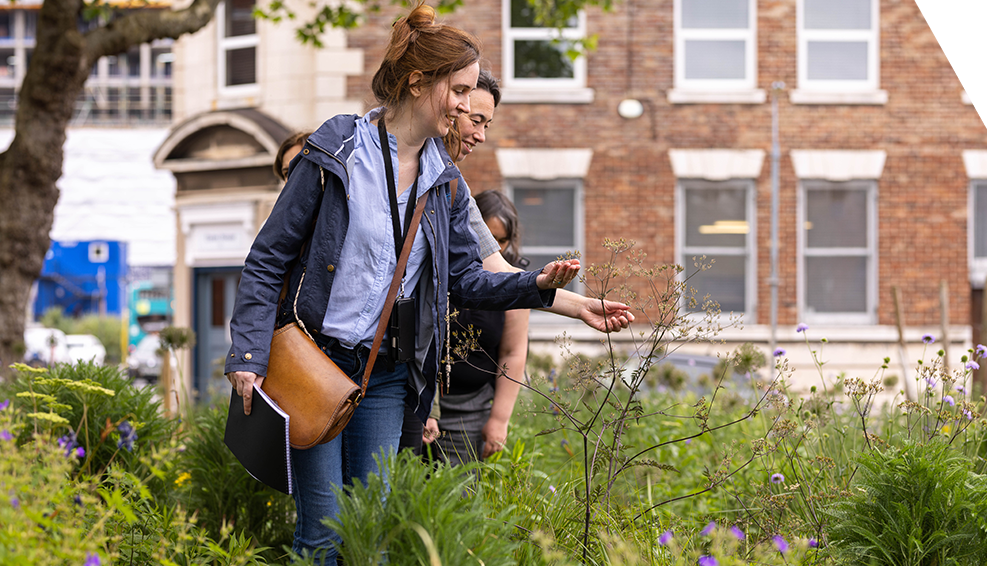
Extreme weather caused by climate change is a growing threat to communities. Nature-based adaptation measures – such as planting trees to increase shade, or restoring waterways and wetlands to absorb downpours – are an effective response. That’s particularly true in town and cities, which often lack green spaces.
Crucially, thriving green spaces bring a wide range of benefits to communities. They help people exercise, limit the impacts of air pollution, and boost mental health. Often, projects that restore nature bring volunteering and training opportunities too. So the case for nature based solutions is even stronger in places where people are marginalised or experiencing poverty.
Ashden’s work in this area includes our Resilient Roots programme – helping councils, community groups and others deliver nature-based adaptation solutions. We also run an online adaptation network sharing insights and best practice, while our awards boost innovators and share their story with key audiences.
Our programmes

Resilient Roots
Resilient Roots help councils, community groups and non-profit organisations in North-West England deliver nature-based solutions to the impacts of climate change. Resilient Roots’ workshops, events and insights are helping the region prepare for and respond to growing challenges like flooding and extreme heat. 75 organisations have already engaged with the programme. As Resilient Roots develops, it will also inspire policymakers to create more effective support for nature-based solutions – initiatives such as strategic tree planting, park and wetland restoration, and drainage schemes.
Find out more
Our Networks
Climate Adaptation Network
For councils across the UK
Ashden’s climate change adaptation network supports councils across the UK to take action, whatever their size or resources. The network helps authorities to place co-benefits at the heart of their approach to adaptation. These benefits can include new jobs, better health, and reduced inequality.
Local authority learning hubs
Authorities and city-regions shouldn’t face this challenge alone. We know that strong networks are essential for turning bold plans into real-world change. That’s why we’ve created a host of regional learning hubs connecting councils, communities and businesses. These hubs currently focus on creating energy-efficient homes, engaging communities in climate action, and using nature to defend against climate impacts like flooding and heatwaves.
Get in touch with our Programme Officer Frieda Wignall to find out more.
Frieda.Wignall@ash.e-innovate.dev
Case Studies – proven nature and adaptation solutions

Liverpool city council
Finalist of the 2024 Ashden Award for Local Nature Recoverers
Liverpool City Council has brought nature to urban neighbourhoods to help tackle the threat posed by extreme weather, a danger made worse by climate change. Ponds, trees, green walls and other natural features have appeared at more than 40 sites around the city, reducing the risks from flooding and heatwaves. The project is creating a greener, more pleasant city, something welcomed by residents and businesses.
Manchester’s sponge park
Manchester City Council is protecting residents from flooding, and boosting local biodiversity, by improving green spaces.
West Gorton Community Park – also known as The Sponge Park – is one of the authority’s outstanding achievements. It is a great example of creating flood resilience through SuDS (Sustainable Urban Drainage Systems), tree planting and re-invigorating green spaces.
Brighton works with residents to improve local flood protection
Protecting communities from flood dangers with a street-level solution.
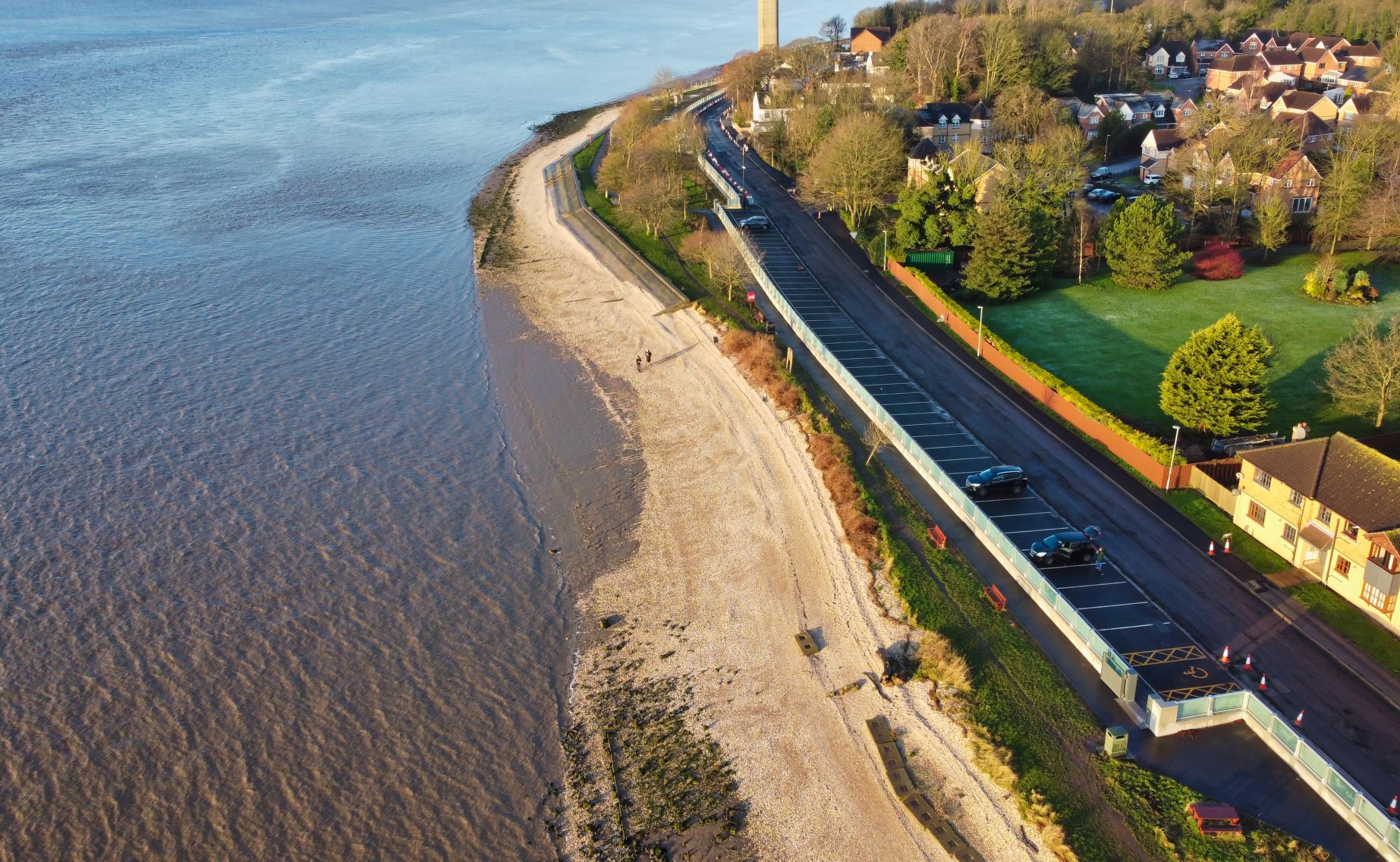
Hull City Council works with residents to create flood defences
Guidance for local authorities, produced with Friends of the Earth

How Hampshire is prioritising climate adaptation and resilience
Guidance for local authorities, produced with Friends of the Earth

Bee-boosting volunteers transform Burnley’s parks
Guidance for local authorities, produced with Friends of the Earth

Kent makes long-term plans to protect nature
Guidance for local authorities, produced with Friends of the Earth

Strategy puts Wirral Council on course for 210,000 new trees by 2030
Guidance for local authorities, produced with Friends of the Earth

Hackney Council boosts access to green spaces for less wealthy residents
Guidance for local authorities, produced with Friends of the Earth

Brighton works with residents to improve local flood protection
Protecting communities from flood dangers with a street-level solution.
Hull City Council works with residents to create flood defences
Guidance for local authorities, produced with Friends of the Earth
How Hampshire is prioritising climate adaptation and resilience
Guidance for local authorities, produced with Friends of the Earth
Bee-boosting volunteers transform Burnley’s parks
Guidance for local authorities, produced with Friends of the Earth
Kent makes long-term plans to protect nature
Guidance for local authorities, produced with Friends of the Earth
Strategy puts Wirral Council on course for 210,000 new trees by 2030
Guidance for local authorities, produced with Friends of the Earth
Hackney Council boosts access to green spaces for less wealthy residents
Guidance for local authorities, produced with Friends of the Earth
Webinars
Creating local authority climate adaptation strategies
Building trust to engage communities in climate adaptation
Double impact: making homes energy efficient, and ready for extreme weather
How can local authorities implement tailored adaptation measures?
Retrofitting UK homes
Programmes | Case studies | Tools
Low-carbon community energy
Programmes | Case studies | Tools
Nature and adaptation
Programmes | Networks | Case studies | Tools
Climate engagement and inclusion
Programmes | Networks | Case studies | Tools