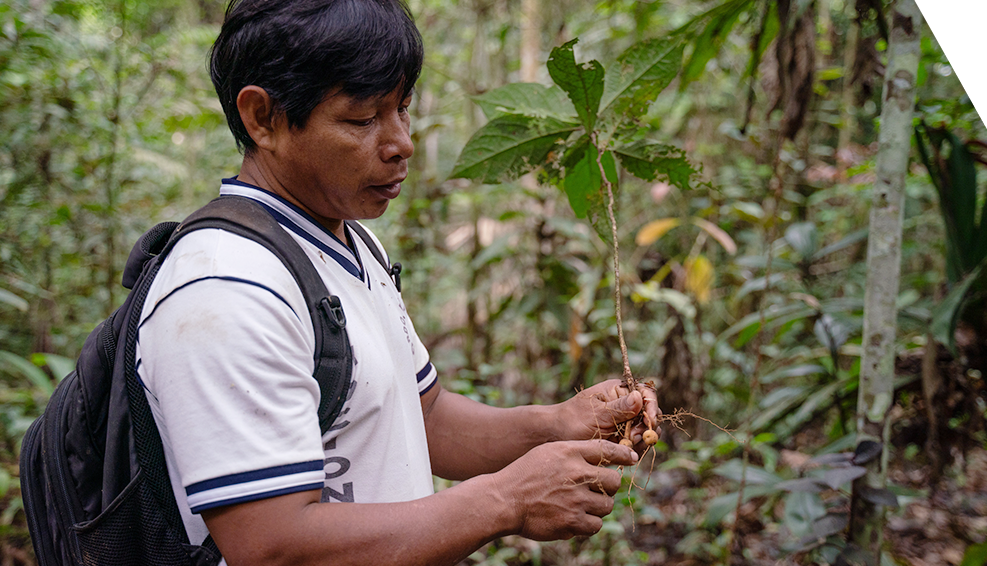
Thriving Forests
Protecting or restoring one million hectares of threatened forest
By strengthening the incomes and rights of local and Indigenous communities, we are empowering them to safeguard our global forests – a key defence against climate change.
We’re seeking new funders to help us grow this work – and increase the flow of finance from the Global North to organisations led by Indigenous People and Local Communities.
Get in touch
Thriving Forests is a proven, scalable model, creating impact from Indonesia to Cameroon.
To discuss funding opportunities, contact Ed Dean, Director of Business Development.
Thriving Forests supports organisations rooted in forest communities, helping them create or grow sustainable livelihoods – such as agroforestry or eco-tourism.
These activities bring more security to communities, helping them steward their land and reject or oppose destructive logging and mining. Our inclusive approach protects nature and its power to sequester carbon, while nurturing opportunities for marginalised people.
Despite their huge value, organisations that work hand-in-hand with forest communities often lack the resources, connections and visibility to win backing from global funders. So as well as delivering immediate support, Thriving Forests is helping organisations secure finance from the climate sector and beyond. The programme is driving a fundamental shift towards more inclusive conservation approaches, one that will deliver greater protection for climate and communities.
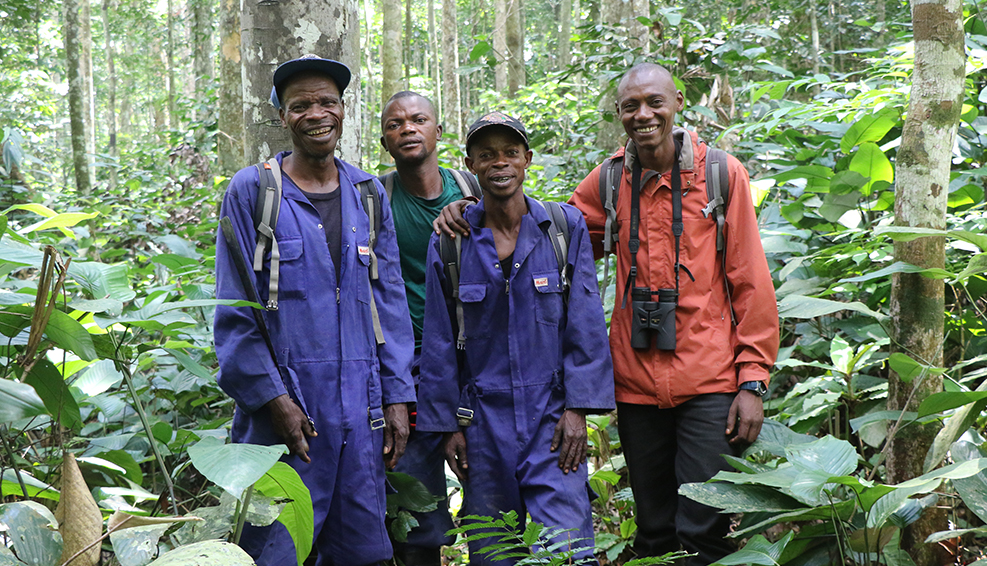
How does our support for Indigenous People and local communities create climate impact?
Our Thriving Forests programme is protecting the climate benefits nature brings – through support for organisations rooted in local communities.
The programme, a partnership with The Nature Recovery Project, will nurture new ways for Indigenous and local people to earn a sustainable living. By boosting agroforestry and ecotourism, we will help communities resist destructive mining, logging and land grabs. This protects the forest’s ability to sequester carbon.
Our Thriving Forests partners
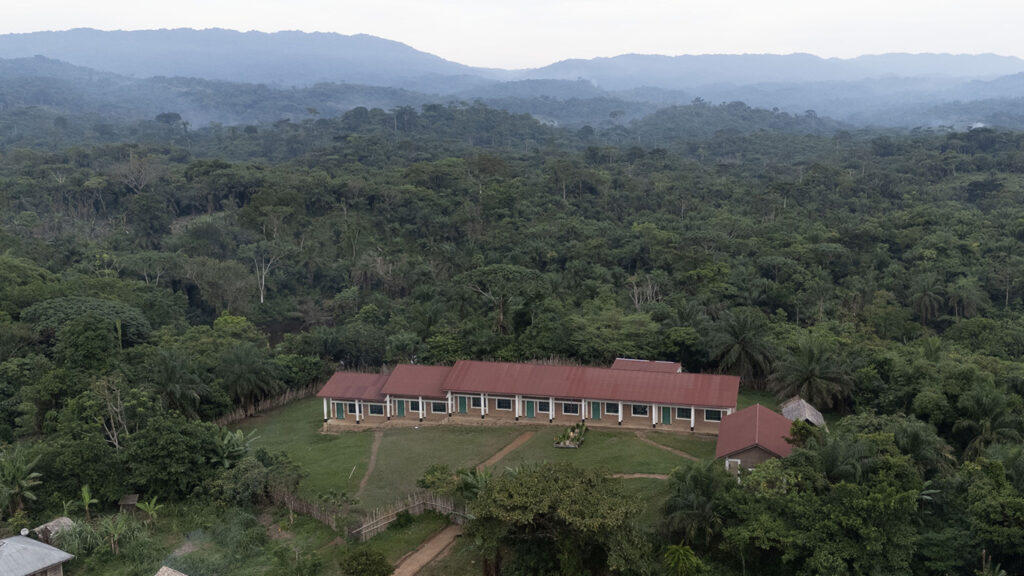
Forêt Pour le Développement Intégral, Democratic Republic of Congo
Carrying out biodiversity conservation activities with four communities on the northern periphery of the Kahuzi-Biega National Park – strengthening local land rights, and supporting sustainable livelihoods.
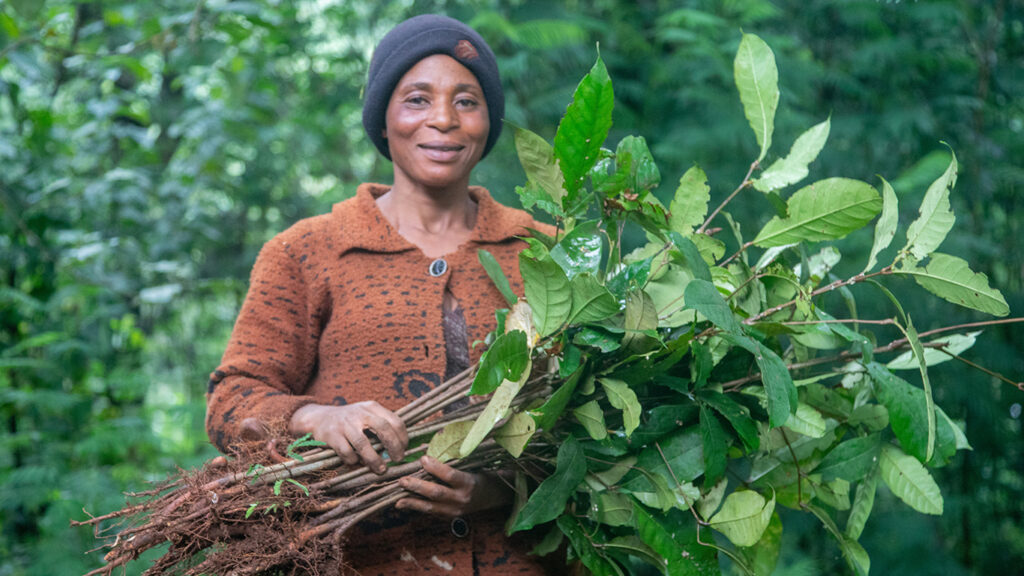
Cameroon Gender and Environment Watch
Supporting women’s empowerment, community livelihoods, and sustainable ecosystems. The organisation has planted 80,000 bee-loving native trees in degraded areas of the Kilum-Ijim Forest, trained more than 1,300 people in bee keeping and honey production, and nearly 1,000 farmers in agroforestry to improve soil health.
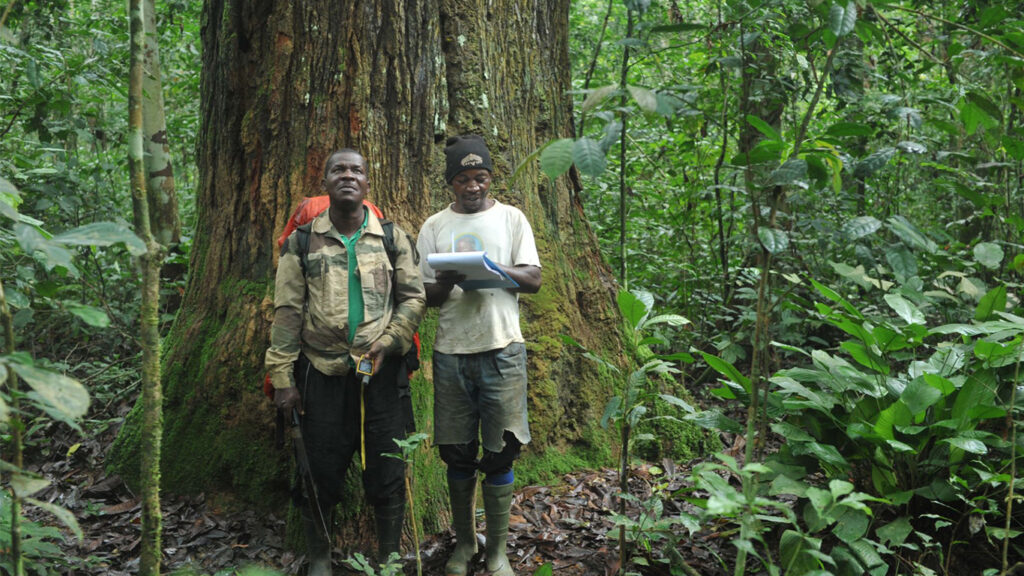
Nsombou Abalghe-Dzal Association, Gabon
Supporting 19 communities in Ogooué-Ivindo province to legally secure more than 145,000 hectares of ancestral forest adjacent to Ivindo National Park. Its livelihoods work includes support for sustainable fishing and beekeeping.
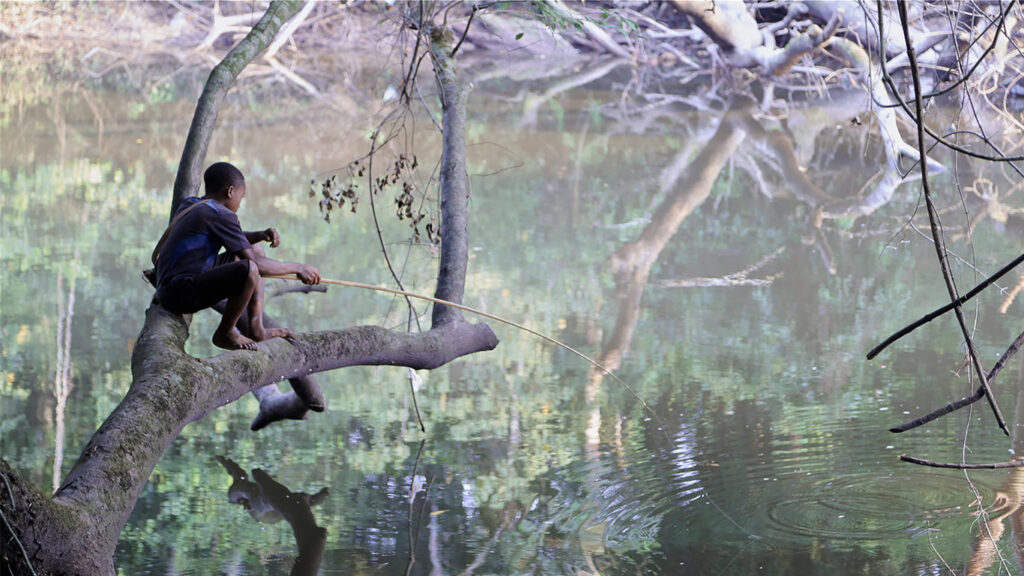
Tropical Forest and Rural Development, Cameroon
Working with 45 villages – creating impact through a tree nursery and agroforestry training for local communities. This helps local people make a sustainable living through products including cacao, fruit, soap, rubber and oils.
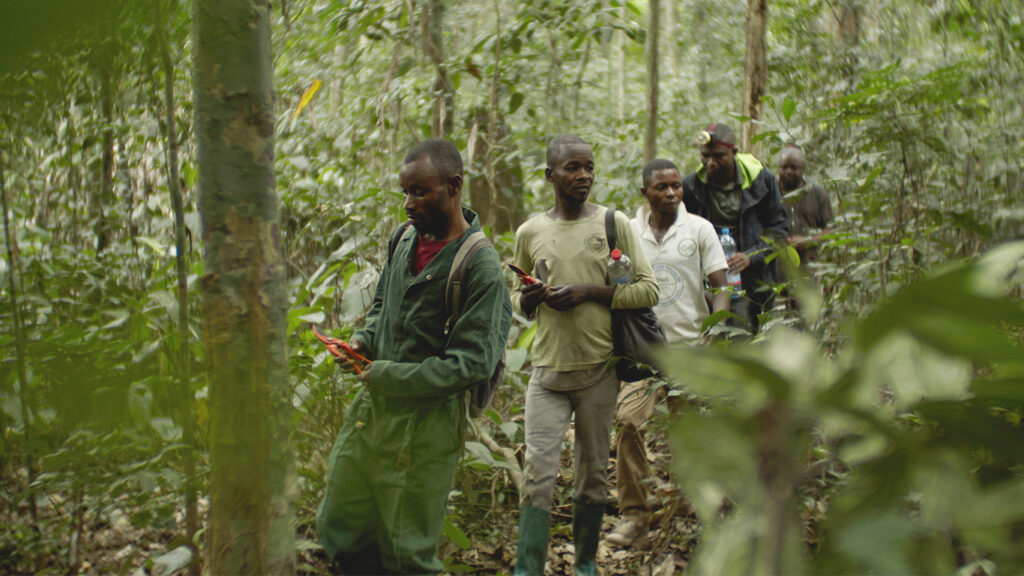
Mbou Mon Tour, Democratic Republic of Congo
Helping rainforest communities in DRC make a sustainable living through agriculture and tourism. Its eco-tourism work centres on helping visitors access the area’s bonobo apes, in a way that brings benefits to – and respects the cultural wishes of – local people.

CERAF-NORD, Cameroon
Helping communities monitor and restore the forests around Benue National Park, and develop agroforestry practices such as shea and cashew growing, and honey production. They use gender-sensitive techniques and quotas in their work to strengthen opportunities for women.
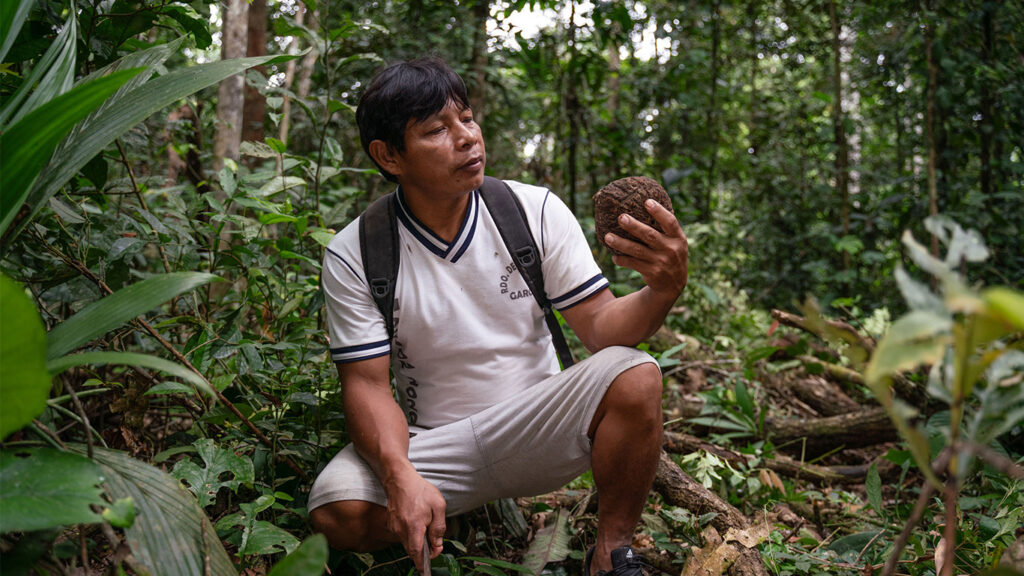
ECA Amarakaeri, Peru
The partnership between communities and local authorities in a threatened area of the Amazon. Its work helps local people earn a sustainable living and also gives them tools to monitor and report illegal logging and mining. People have seen their incomes grow by up to 60%, while the scheme has been certified as meeting the world’s highest conservation standards.
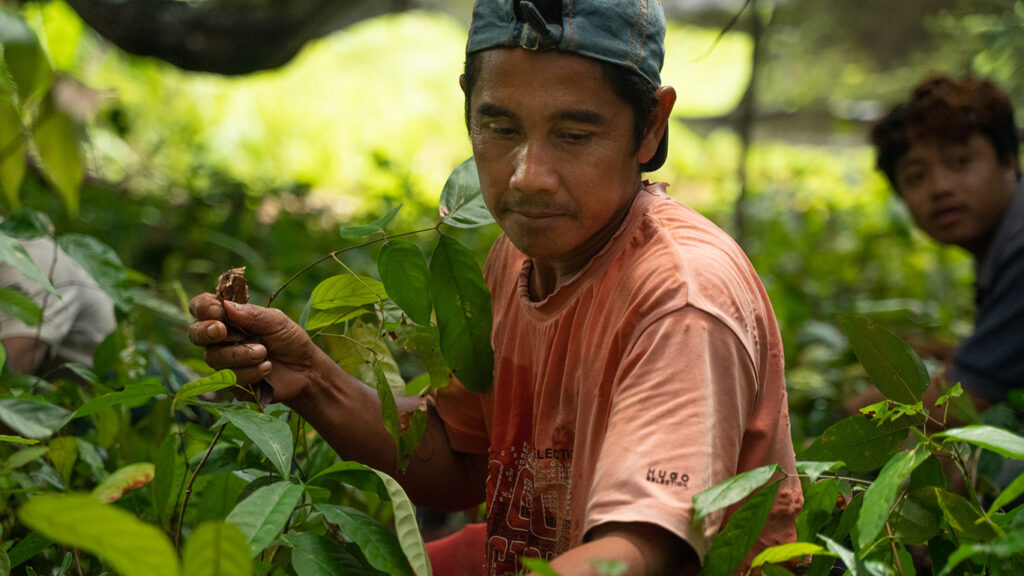
Alam Sehat Lestari, Indonesia
Designing solutions to illegal logging and deforestation with local people, bringing benefits such as alternative sources of income and a clinic providing high-quality affordable healthcare.
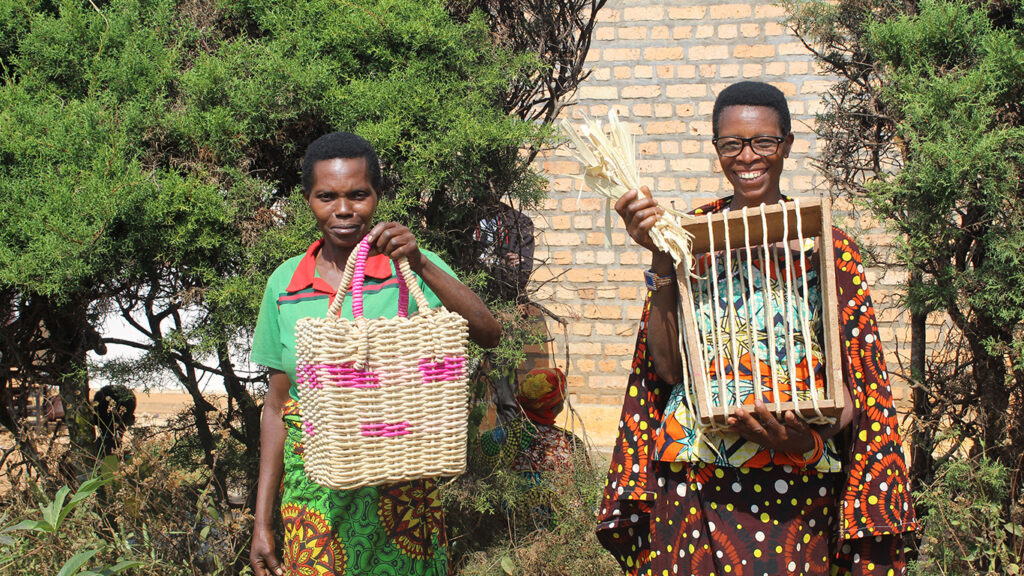
3C, Burundi
3C will plant and protect trees in Burundi’s last remaining forest area, Mont Mboza, and nurture sustainable businesses for local people. As well as growing incomes, this work will lower the danger of landslides.
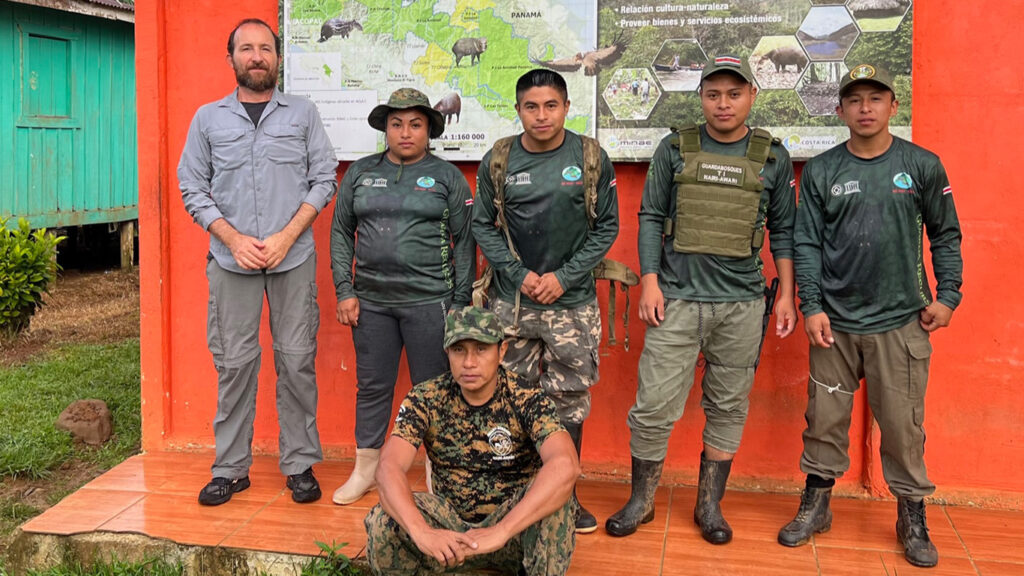
ADINA, Costa Rica
Expanding its work on land reforestation, sustainable tourism, and territory mapping. It is also strengthening women’s groups among the area’s nine Indigenous communities.
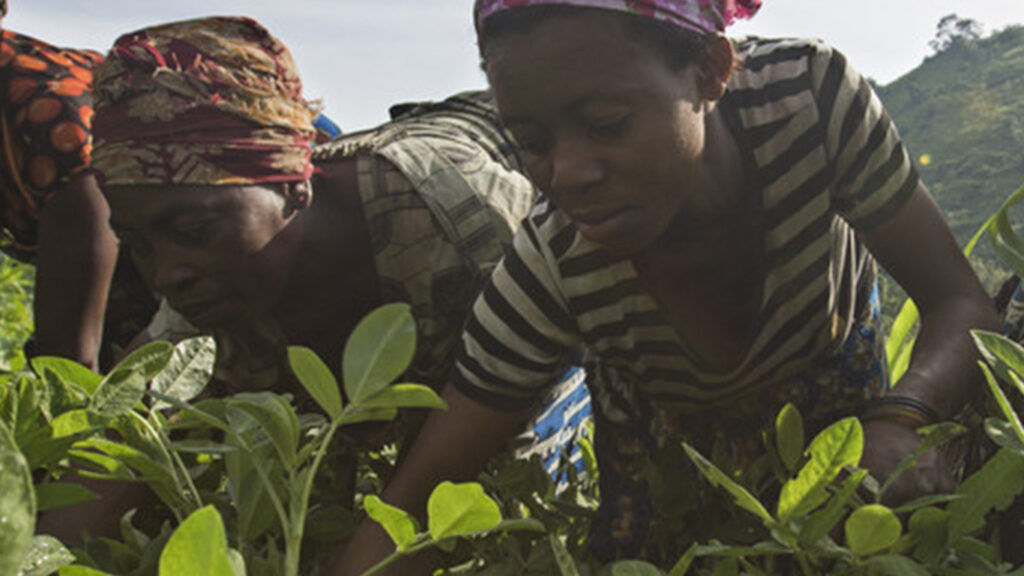
CFLEDD, DR Congo
Helping women in forest-edge communities raise their incomes, particularly through more effective food production and preservation. The organisation’s approach centres on empowering women, particularly as community leaders.
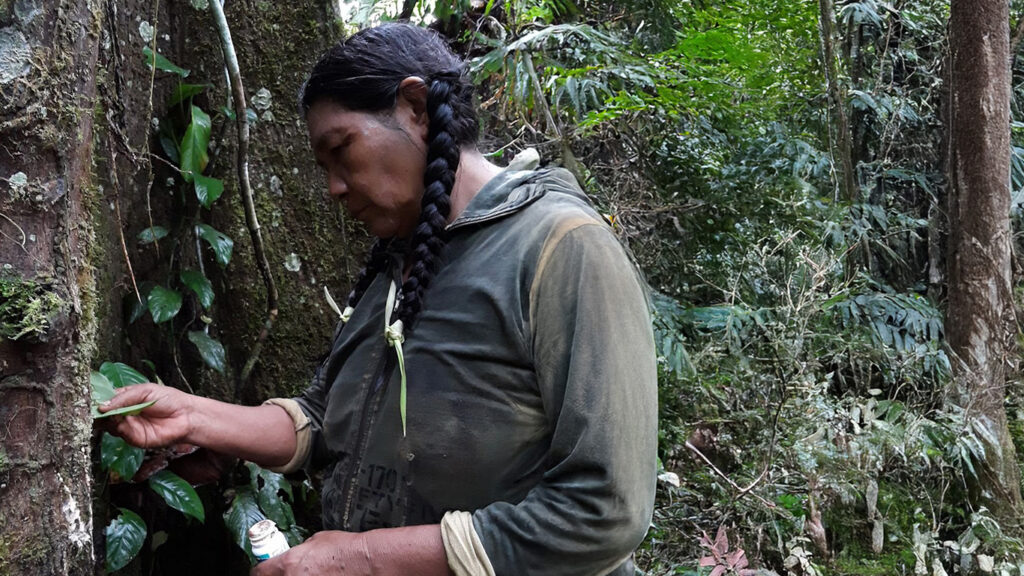
Ashiniawka – Asociación de Mujeres Sapara (Sapara Women’s Association), Ecuador
An Indigenous women-led organisation protecting more than 360,000 hectares of ancestral Amazonian rainforest in Ecuador. After halting oil exploration in 2019, the association now trains women from the Sapara community in nature-based enterprise and community-led tourism.
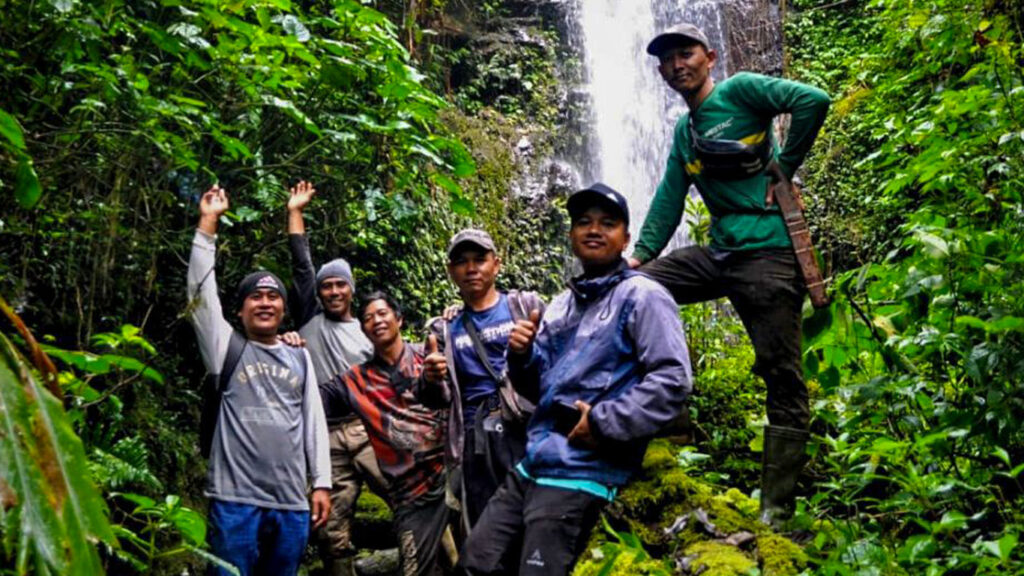
Hutan Kita Institute, Indonesia
In South Sumatra, the Hutan Kita Institute is expanding agroforestry training, improving forest monitoring, and working with government for better regional and national policies.

Ngudu Dimbu, Gabon
Supporting communities in southwest Gabon to reduce hunting pressure and human-elephant conflict through new income-generating activities. From beekeeping to orchards, these initiatives improve local livelihoods while protecting biodiversity in and around a critical national park.
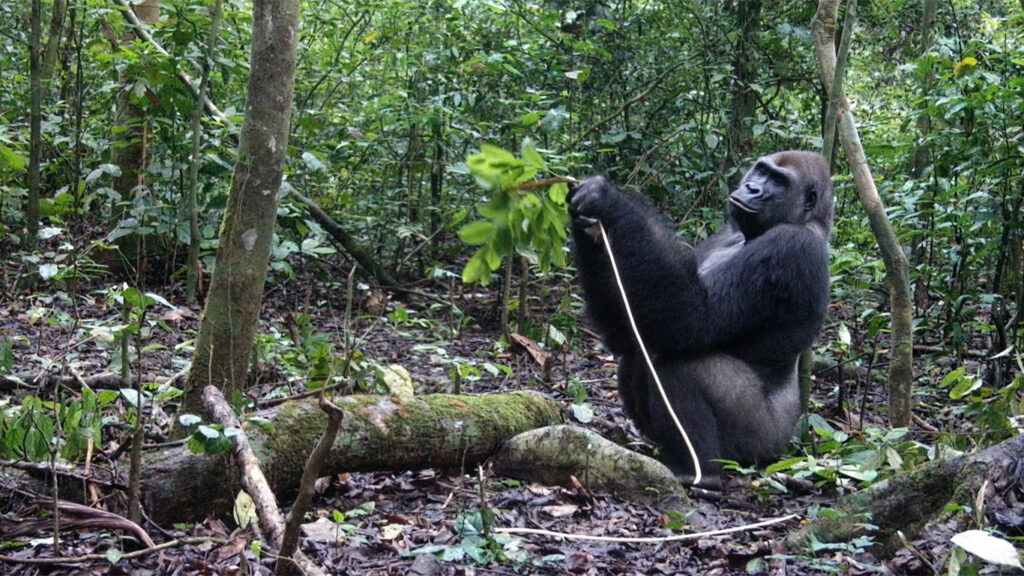
PROGRAM, Gabon
A grassroots conservation initiative protecting 20,000 hectares of forest in the buffer zone of Gabon’s Moukalaba-Doudou National Park — home to gorillas, chimpanzees, and elephants. Through community-led tourism and conservation, they engage local people, including former poachers, in tracking and protecting wildlife, while also supporting sustainable food production and alternative incomes.
https://www.youtube.com/watch?v=U6c4JCCUkZQ
Boosting proven climate solutions
Our Thriving Forests programme is protecting the climate benefits nature brings – through support for organisations rooted in local communities.
The programme, a partnership with The Nature Recovery Project, will nurture new ways for Indigenous and local people to earn a sustainable living. By boosting agroforestry and ecotourism, we will help communities resist destructive mining, logging and land grabs. This protects the forest’s ability to sequester carbon.
https://www.youtube.com/watch?v=I-Q7L9ZxMfI
Overcoming finance challenges
Despite their impact, organisations rooted in local communities often struggle to access finance. Many lack connection to funders in the Global North, and the resources and support to tell their story effectively. They might also lack the governance and finance systems, or legal status, that funders demand are put in place before giving support. Their progressive and inclusive approach, creating climate benefits by supporting rights and livelihoods, might also be unfamiliar to funders.
Thriving Forests is our response. From 2024 to 2027, it will strengthen 15 organisations, with grants and expert help that grow their work and their ability to attract funding.
The programme will fund new or expanded activities with local people – but also boost organisations’ strategic planning and management, improve finance, HR and IT systems, or help them register their work with local authorities. Thriving Forests will also help organisations explore potential new funding streams, such as a carbon credits.
Their will be tailored communications support too – enabling organisations to create high-impact films, photography, websites, and printed materials about their work, and also to pitch their stories to journalists.
From early 2026, a Thriving Forests campaign will also take the stories of participating organisations to global climate summits and forums – working to spark a fundamental shift in the attitudes and approaches of funders. Ashden will show them the climate and development impact of channelling support to smaller, community-rooted organisations.
“The idea is amazingly supportive and unique. It will help us strengthen and grow, in ways that aren’t possible when a funder backs work towards a single target only, like planting a certain number of trees.”
Nur Febriani, Director of Resource Mobilization for Alam Sehat Lestari (ASRI), an organisation taking part in Thriving Forests
Supported by
Find out more
To discuss funding opportunities, contact Ed Dean, Director of Business Development.